


Cat No:
CDCHD36
Format Details: Jewel Case
Release Date: 25 October 1999
Label: Ace Records
Packaging Type: Jewel Case
No of Units: 1
Barcode: 029667103626
Genres: Rock Rockabilly
Format Details: Jewel Case
Release Date: 25 October 1999
Label: Ace Records
Packaging Type: Jewel Case
No of Units: 1
Barcode: 029667103626
Genres: Rock Rockabilly
Description
The story of Sarg Records is a simple tale of minor enterprise in 1950s small town America. A town called Luling, Texas, a place so small that it's barely on the map and certainly not on any tourist route. The nearest city is San Antonio, 40 miles away. Luling's decline began in the late 60s when they built Highway 10 between Houston and San Antonio, effectively isolating Luling from through traffic. From then on, the only people who went there were its residents, a few oil-workers and folks who'd lost their way. Raymond Topping described it admirably in the liner notes of our original vinyl release: "As you drive down the Main Street, you get a definite sense of going back in time to one of the old Western towns you sometimes see in the movies. The town is divided by the railroad which runs down the centre of the main thoroughfare, Davis Street. Most of the houses and shops are single storey wooden buildings which are dwarfed by the huge noisy diesel trains that pass slowly through the town at regular intervals. Across the tracks on East Davis Street is a small wooden store with a sign above the door announcing the Sarg Record Company. As you enter, you are confronted by a display of old 40s and 50s jukeboxes bearing such legendary names as Wurlitzer and Seeburg and behind the counter stands the friendly proprietor, Charlie Fitch." Other visitors paint a less romantic picture of Luling's main drag. The skyline is dotted with oil rigs and small oil pumps - so-called 'nodding donkeys' - set in perpetual motion. Fitch's store was positioned near a poultry farm which gave off a putrid stench in the blazing heat of the Texas sun. This, combined with air thickened by the noxious vapour of crude oil, impeded normal respiratory function. Not that the locals seemed to mind. His TV repair shop and record store did good business from the moment it opened, as leathery-faced men wearing Stetsons and dungarees popped in to get their TV pictures de-fuzzed, purchase the odd 78 or simply exchange gossip. Fitch got into the record business after he'd been discharged from the US Air Force in 1950. He began selling records from the small store at 311 East Davis Street and also operated a jukebox round serving Luling and surrounding towns. This inevitably led to other record-related ventures, including the formation of his own label. He began issuing records by local hillbillies as well as waltzes and polkas which sold particularly well in the San Antonio area, a legacy from the time when German settlers arrived in the 1840s after the Battle of the Alamo had been fought there in 1836. Fitch was the first to record Doug ('Sir Douglas') Sahm who cut a country novelty disc as Little Doug for Sarg at the age of 14 in 1955, though the label copy attempted to pass him off as a 12 year-old. Later that year Fitch recorded another San Antonio artist, a friend of Sahm's named Eddie Dugosh who fronted the oddly named Ah-Ha Playboys. Originally a country outfit, they switch
Tracklisting

The Champs


Richard Thompson
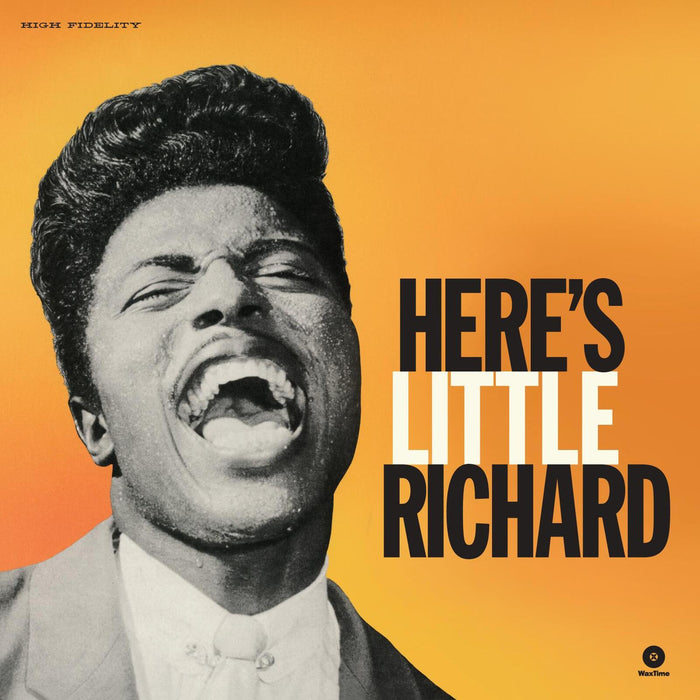
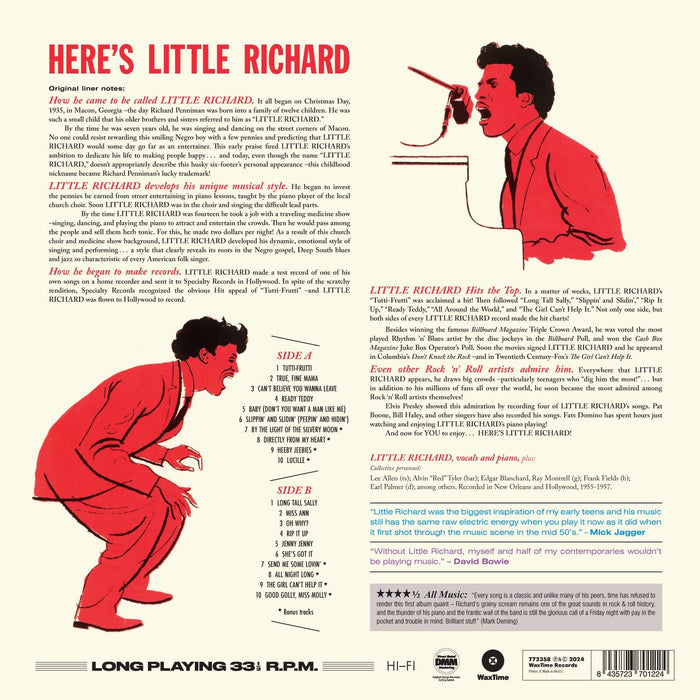
Little Richard

Various Artists

Millie Jackson

Various Artists

Various Artists
Various Artists

Various Artists
Various Artists
Various Artists

Various Artists


Various Artists

Various Artists

Various Artists
Various Artists