Description
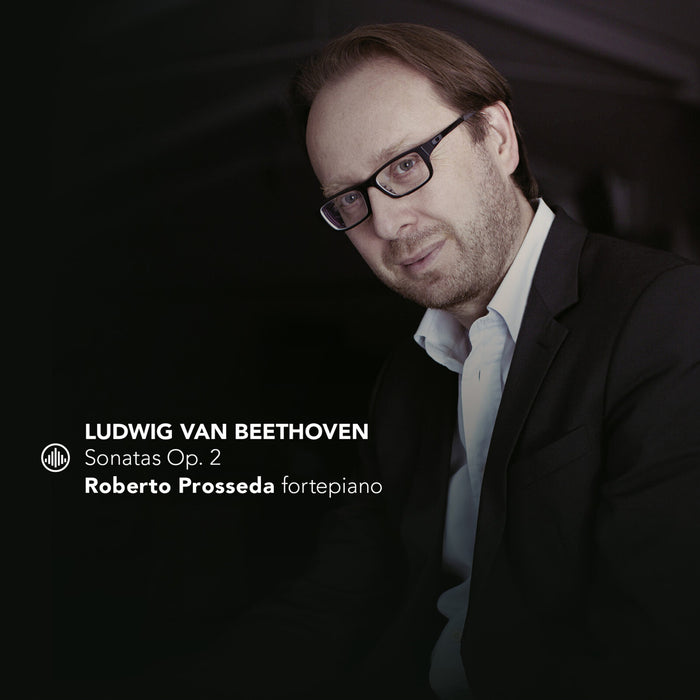
Beethoven's three Sonatas Op. 10, written between 1796 and 1798, mark a decisive step from the Classical clarity of Haydn and Mozart toward a bolder, more individual language. Each sonata displays a distinct character: the C minor No. 1 combines tragic urgency with structural concentration; the F major No. 2 reveals Beethoven's emerging humor and rhythmic invention; and the expansive D major No. 3 unfolds an unprecedented emotional and architectural scale, crowned by the visionary Largo e mesto. The unifying rhythmic motif of "short-long" pulses through the set, foreshadowing the composer's later dramas. Performed on an 1820 Conrad Graf fortepiano, Roberto Prosseda's interpretation restores the music's raw contrasts, speaking timbres, and anti-rhetorical gestures that modern pianos often smooth away. In his personal note, Prosseda explains how returning to these works on a historical instrument transformed his understanding of Beethoven's expression. The fortepiano's transparency, differentiated registers, and responsive mechanism invite a freer phrasing and more rhetorical, speech-like delivery. He aims not for novelty but sincerity--seeking to rediscover familiar music through its original sound world. Prosseda is one of Italy's leading pianists with a distinguished career, celebrated for his complete Mendelssohn and Mozart recordings and for reviving the pedal piano. This Beethoven Op. 10 album follows his acclaimed Op. 2 set for Challenge Classics, continuing his exploration of early Beethoven on period instruments.